Muhammad Adil
Unity Developer – Systems Programmer – Animation Pipeline Expert
Unity Developer – Systems Programmer – Animation Pipeline Expert


A quick snapshot of my core strengths.
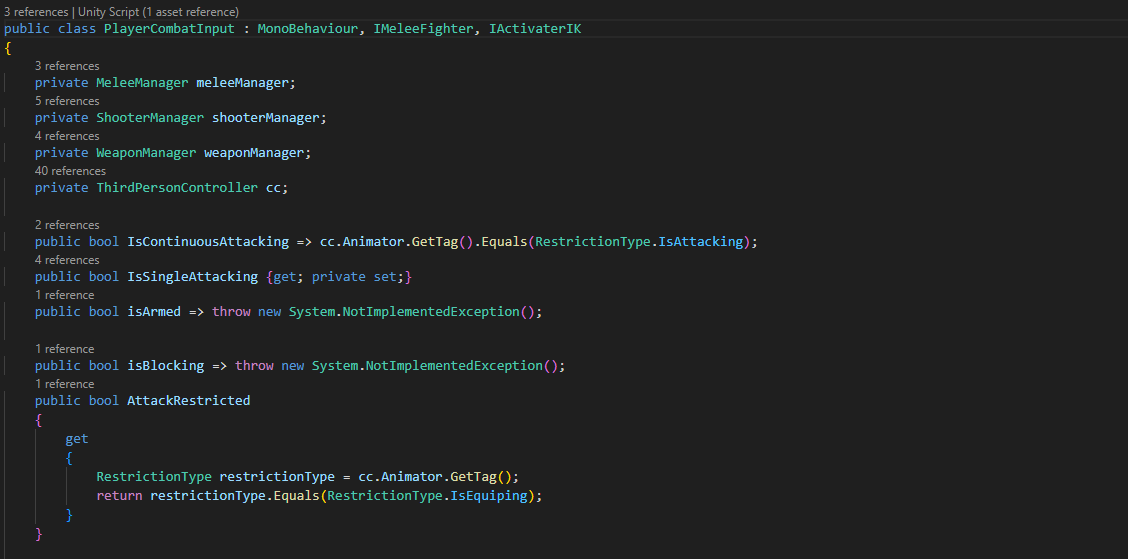
Animator state machines, input-driven combos, root motion workflows
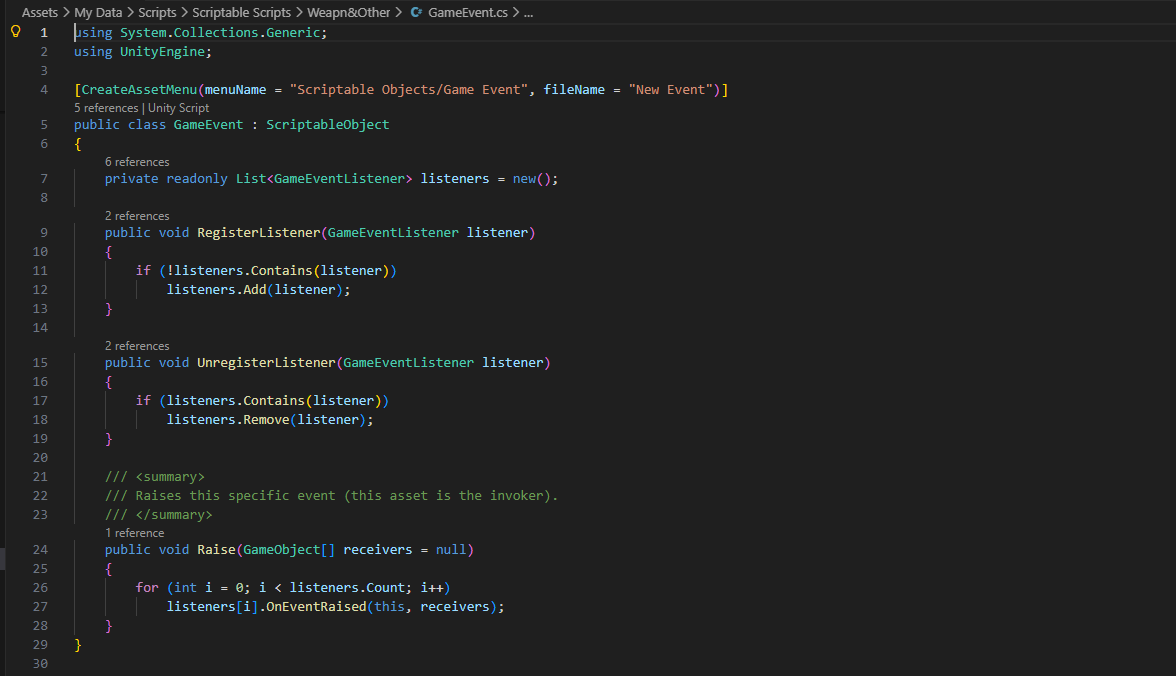
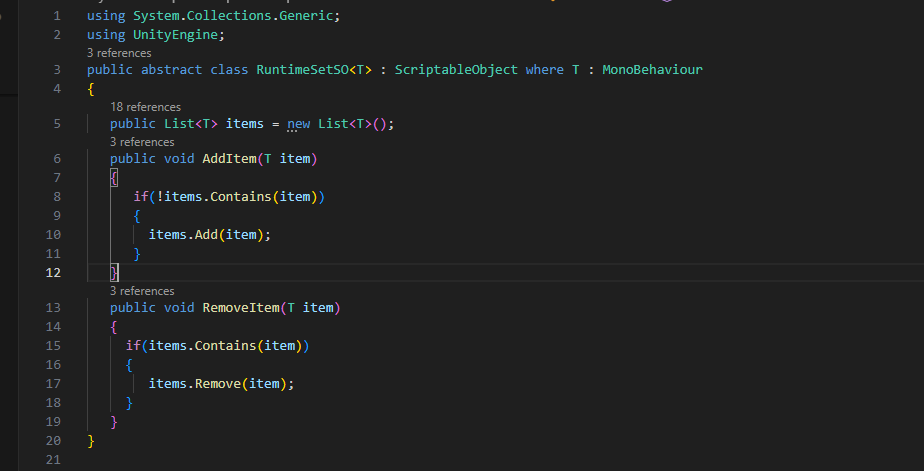
Event-driven architecture, Scriptable Objects, clean code
PlayFab auth, leaderboards, player data, cloud integration
Optimization for iOS/Android memory, draw calls, GC tuning
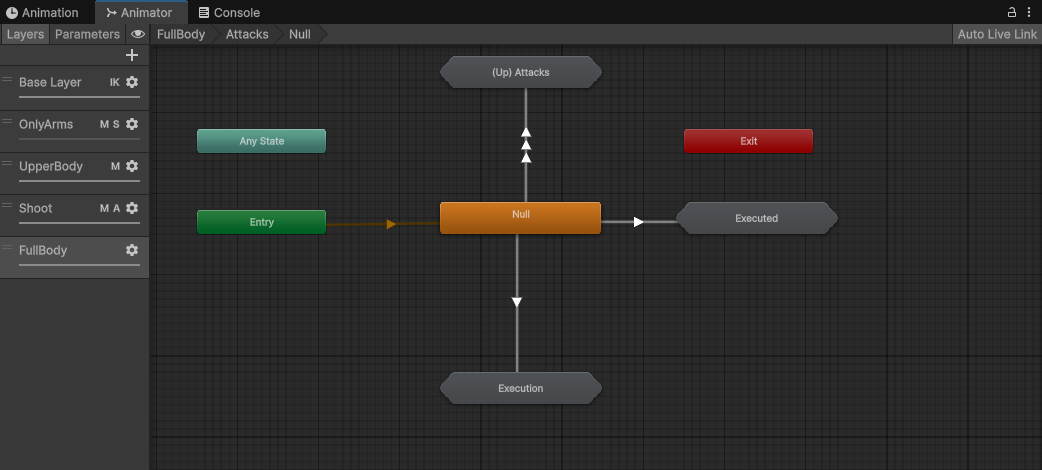
A clean animator setup that brings gameplay to life. With input‑driven combos, layered states, and polished root motion, characters move fluidly, feel believable, and the structure stays flexible for future expansion.
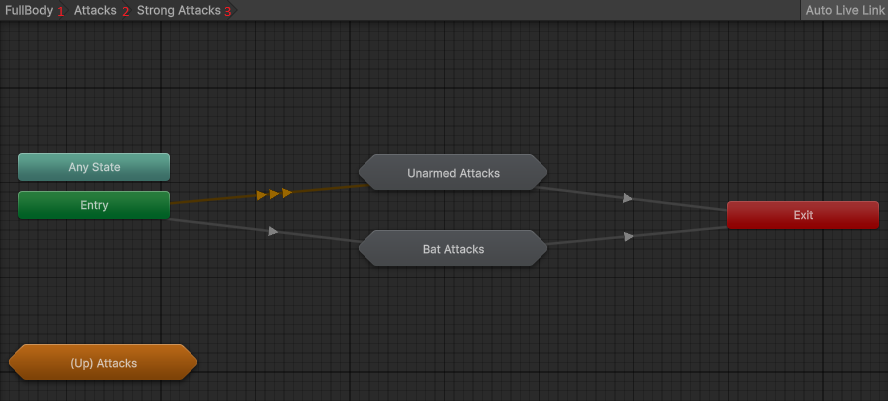
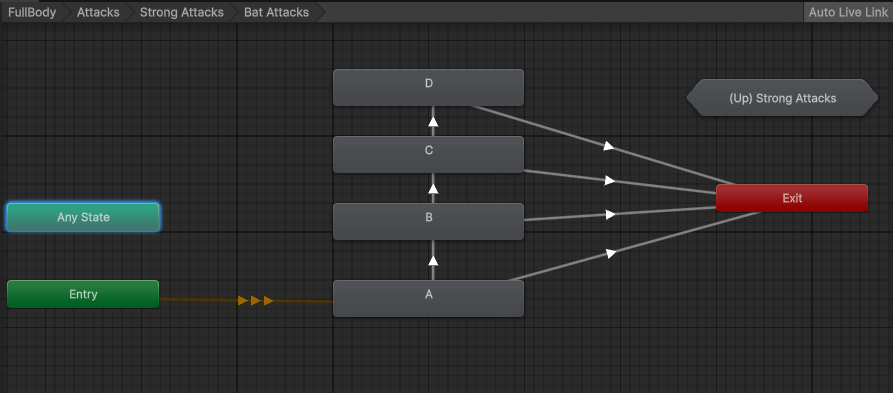
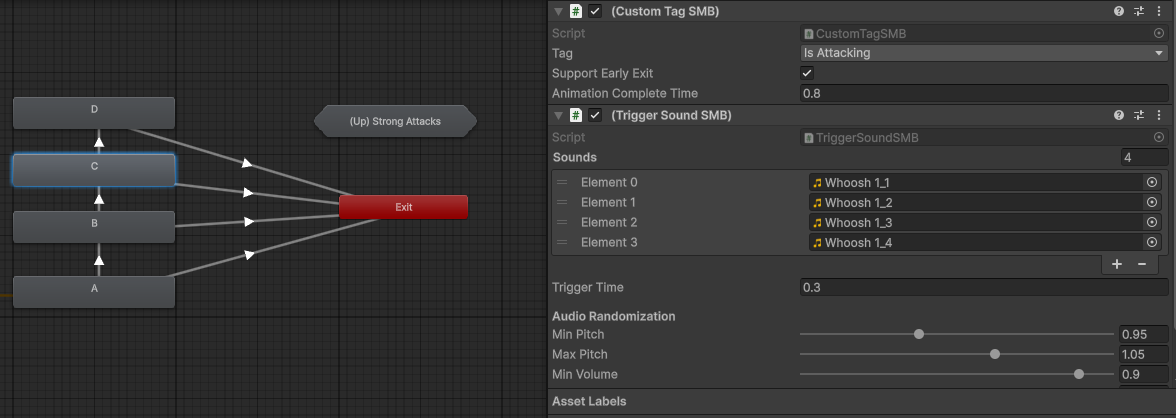
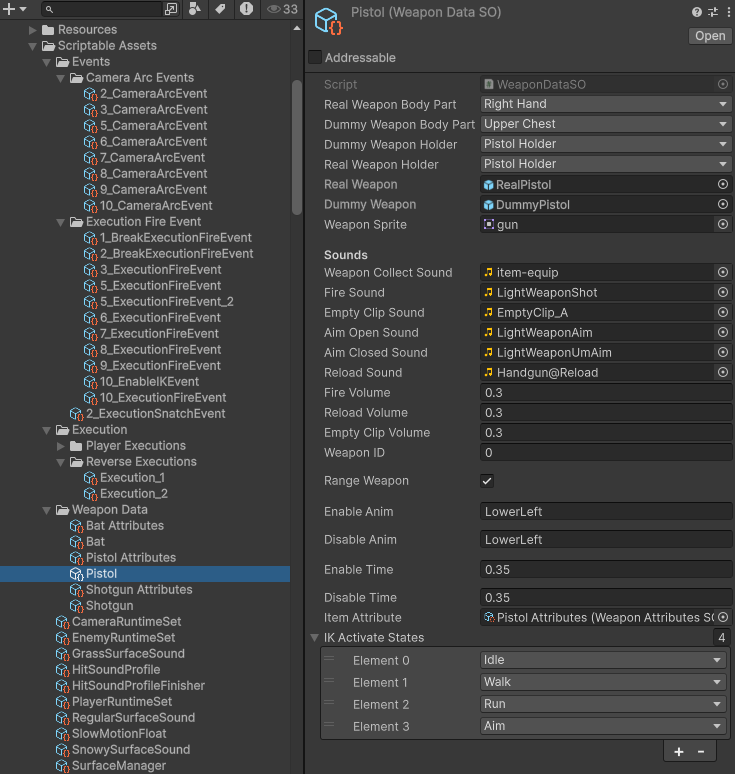
Event-driven architecture with Scriptable Objects and clean, maintainable code practices.
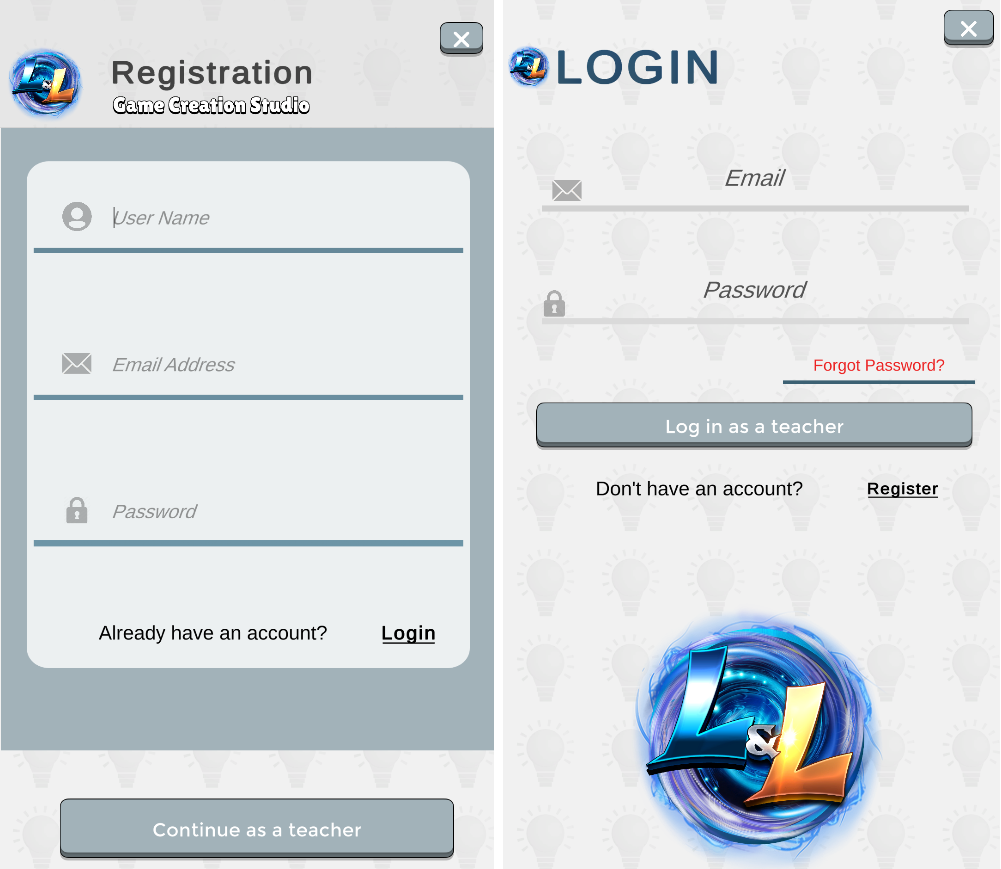
Backend integration with PlayFab and Firebase, including authentication, leaderboards, and cloud data.
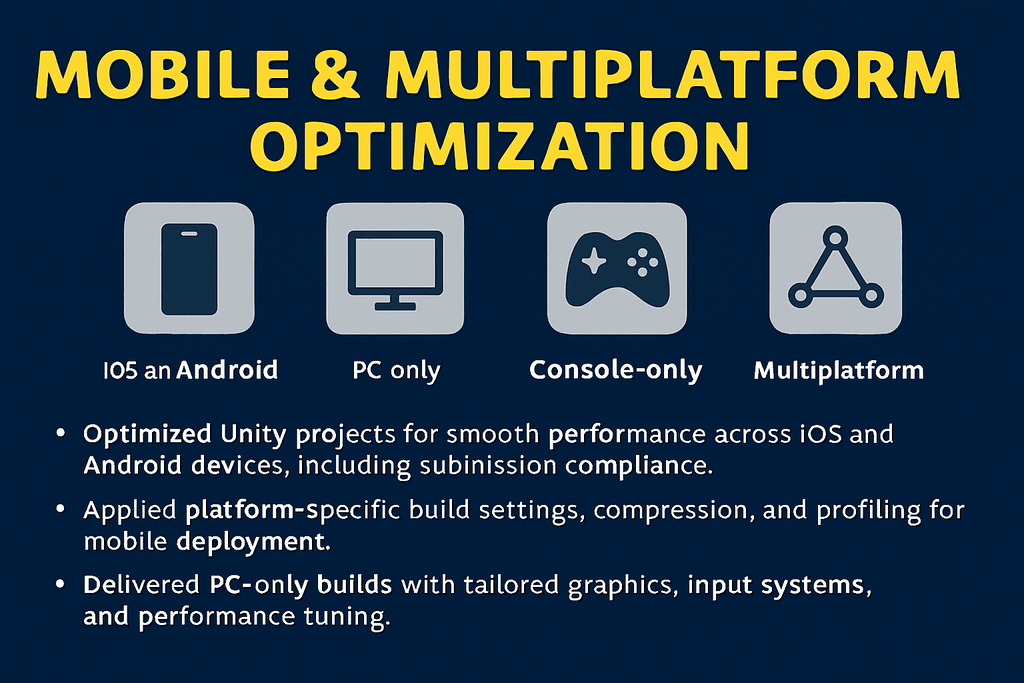
Mobile optimization techniques for iOS and Android, focusing on performance and memory management.
Hi, I’m Muhammad Adil — a Unity Game Developer with over four years of hands-on experience designing, developing, and optimizing interactive games and learning applications. My work focuses on building smooth gameplay systems, intelligent interactions, and scalable back-end features using C#, PlayFab, and Unity’s modern frameworks.
I’m passionate about blending creativity and technology to craft engaging games that spark learning and imagination. I focus on building AI tools, animation systems, and deeply interactive gameplay experiences. I’m now exploring exciting opportunities to advance my studies in game technology, immersive learning, and digital innovation.
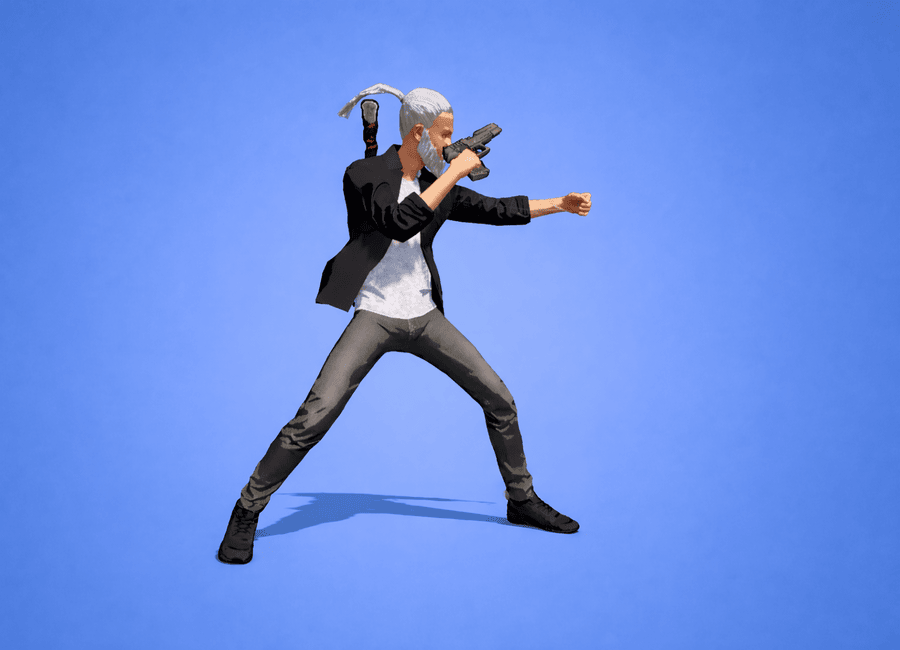
Dev Log – Combat System is a hands-on Unity project where I built cinematic gameplay inspired by John Wick style fighting. The goal was to create mechanics that feel fast, polished, and responsive — delivering smooth combos and brutal executions.
The focus is on clean Animator design, scriptable execution logic, and fluid transitions — showing how I combine technical precision with creative combat design to deliver a complete experience.
This dev log shows how I can architect robust, intuitive, and maintainable systems in Unity — making it a strong example of my skills for teams looking to hire a developer who values both creativity and clean execution.


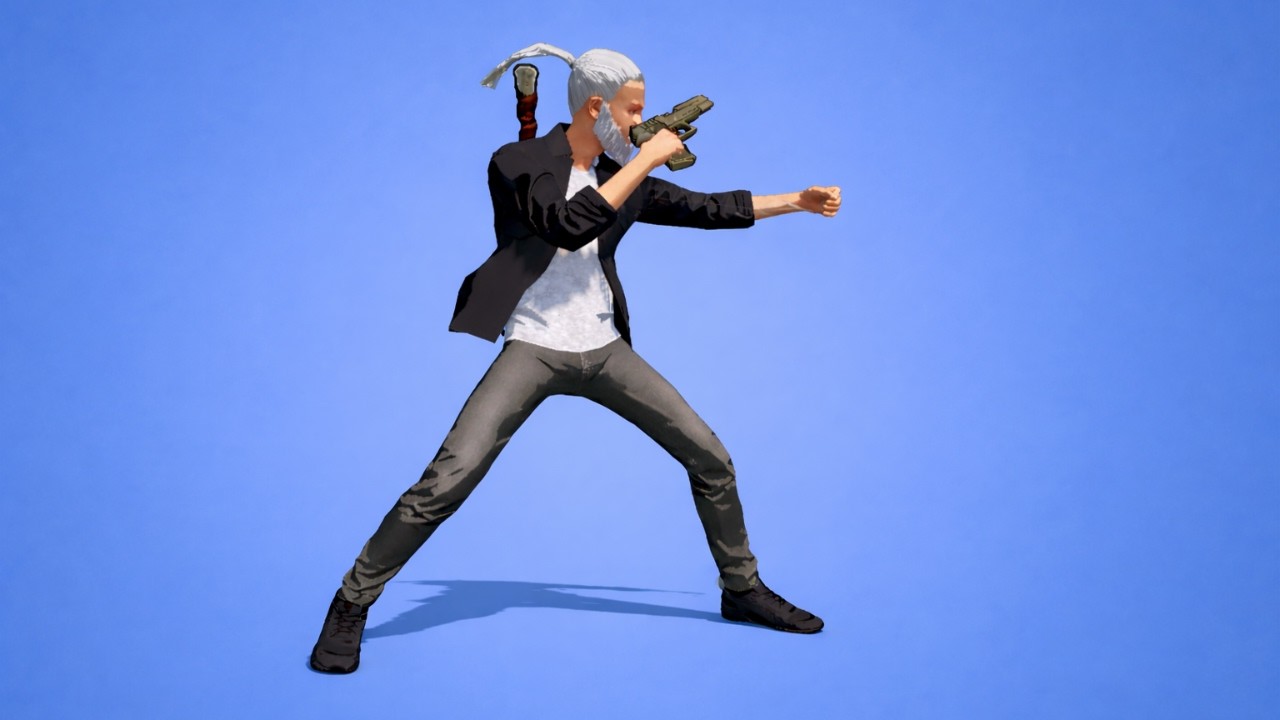
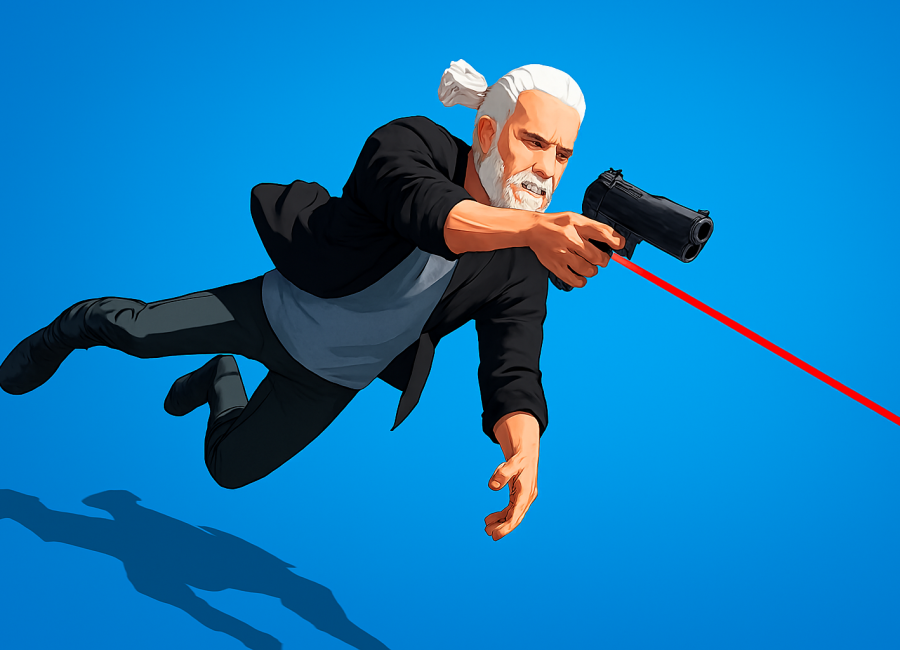
Dev Log – Third-Person Mechanics is a hands-on Unity project where I built cinematic gameplay inspired by the classic bullet-time style. The goal was to create mechanics that feel exciting, polished, and easy for players to enjoy.
The focus is on smooth dodging, precise aiming, and immersive audio-visual effects — showing how I combine technical skills with creative design to deliver a complete experience.
This dev log shows how I can turn ideas into polished gameplay systems, making it a strong example of my skills for teams looking to hire a Unity developer who values both creativity and execution.

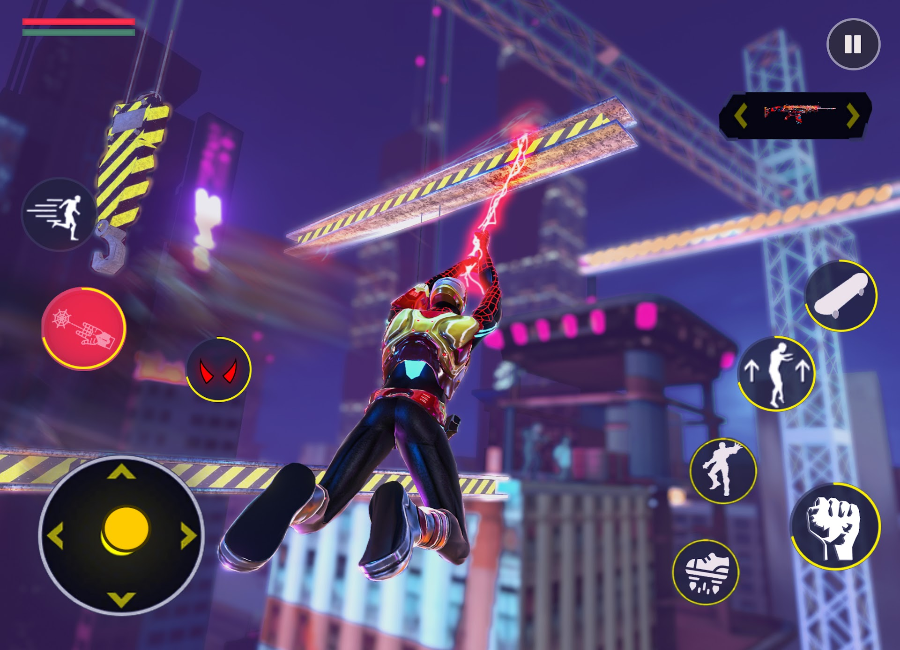
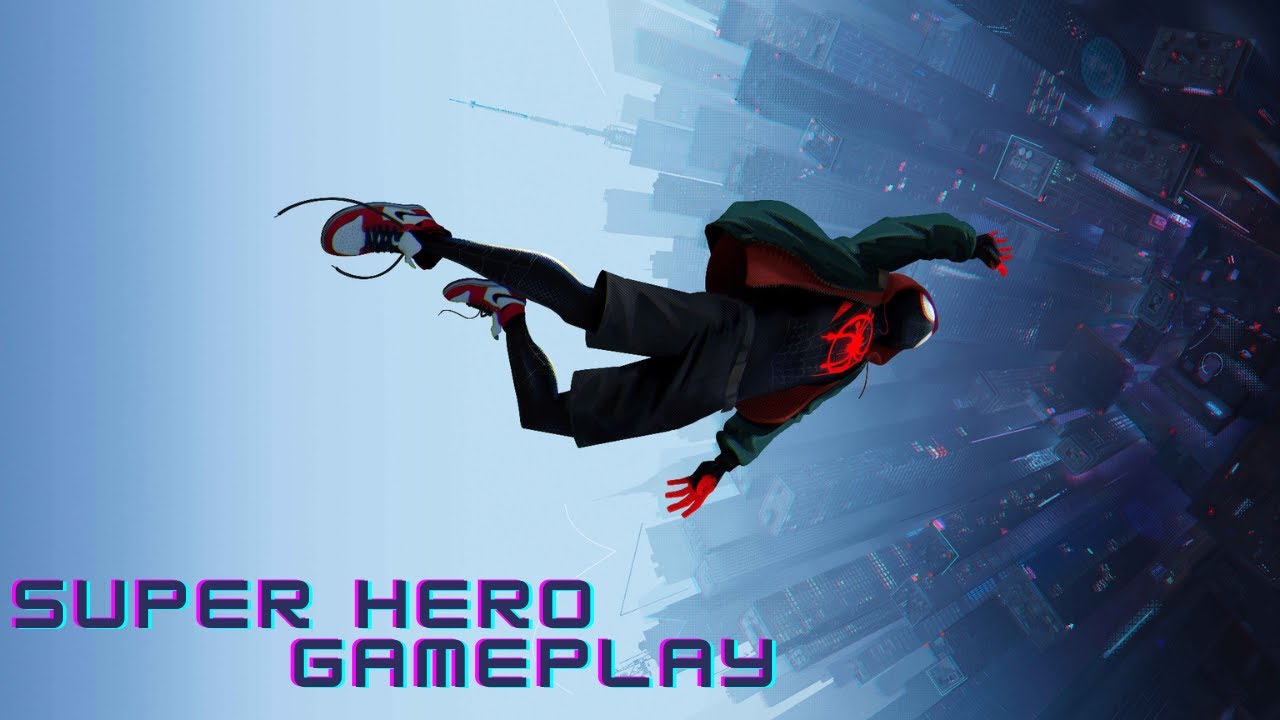
Super Hero: Justice War League was my first complete 3D superhero action game, developed entirely from scratch using Unity and the Invector Third Person Controller framework.
I expanded the base controller with several advanced gameplay features:
This project was a major step in my game development journey — combining gameplay programming, animation setup, and system integration into a complete, playable experience.


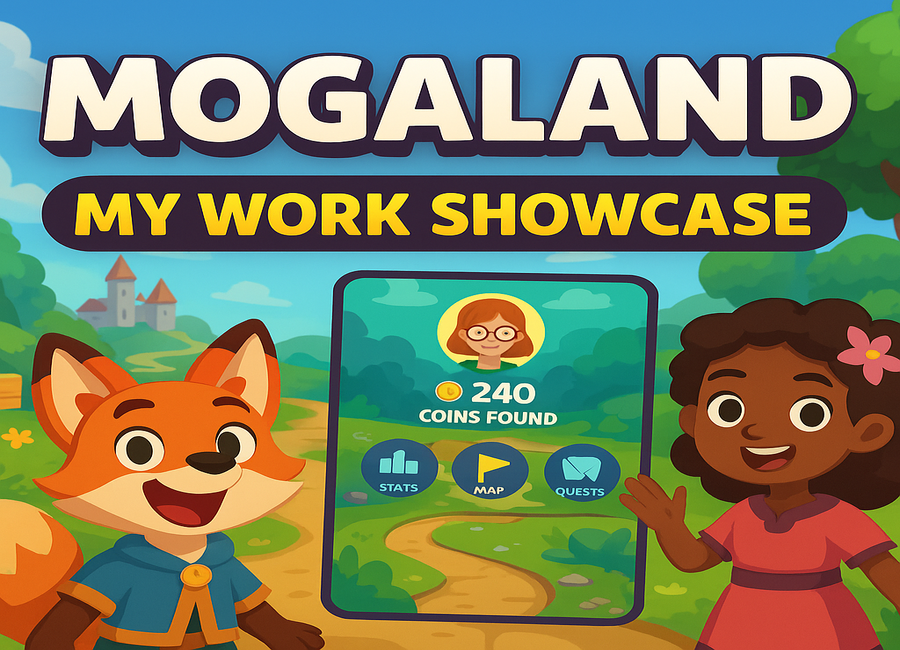
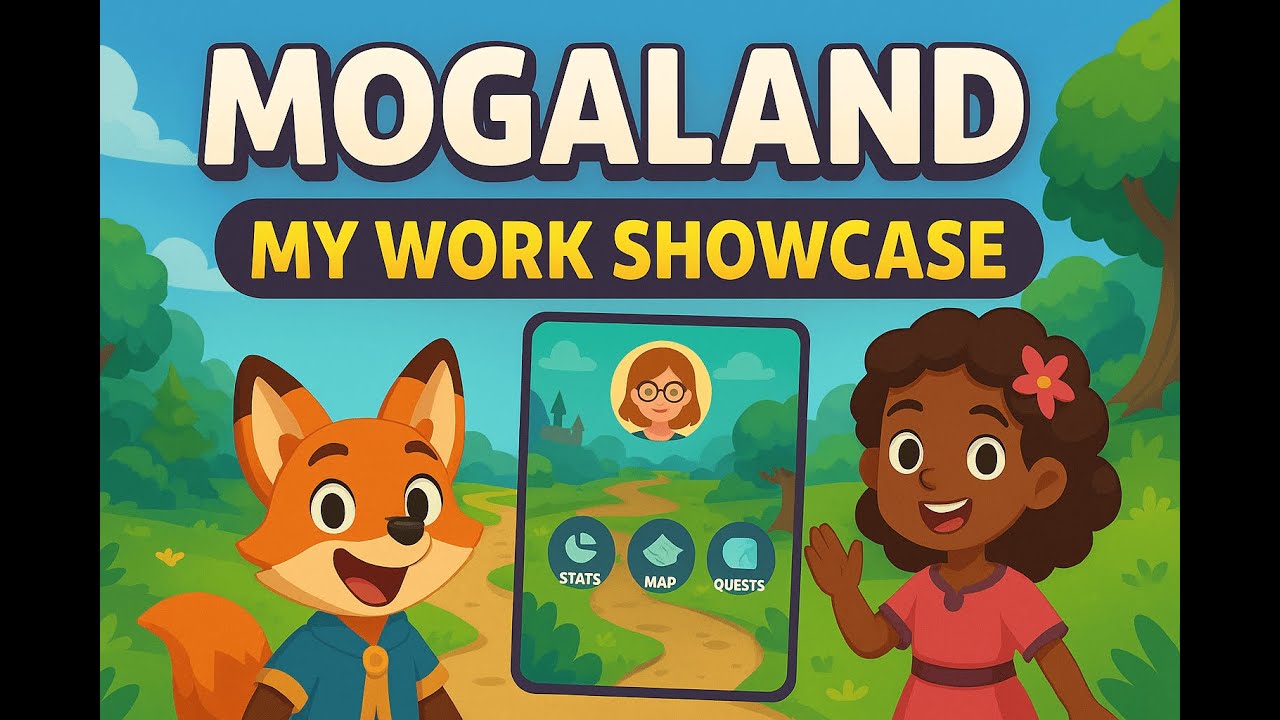
Mogaland is an educational adventure game developed in collaboration with an international client team based in Germany. I contributed to this project during my time at Aptech Media, where I was part of a multidisciplinary team responsible for expanding and maintaining the game.
My main tasks involved integrating a new map area, fixing gameplay bugs, and optimizing performance for a smoother and more engaging experience.
The workflow was highly collaborative — tasks were tracked in Jira, progress was managed via GitHub, and each code update was reviewed and merged by our team lead to maintain consistency and quality.
This project strengthened my expertise in team collaboration, client communication, and large-scale Unity development workflows.

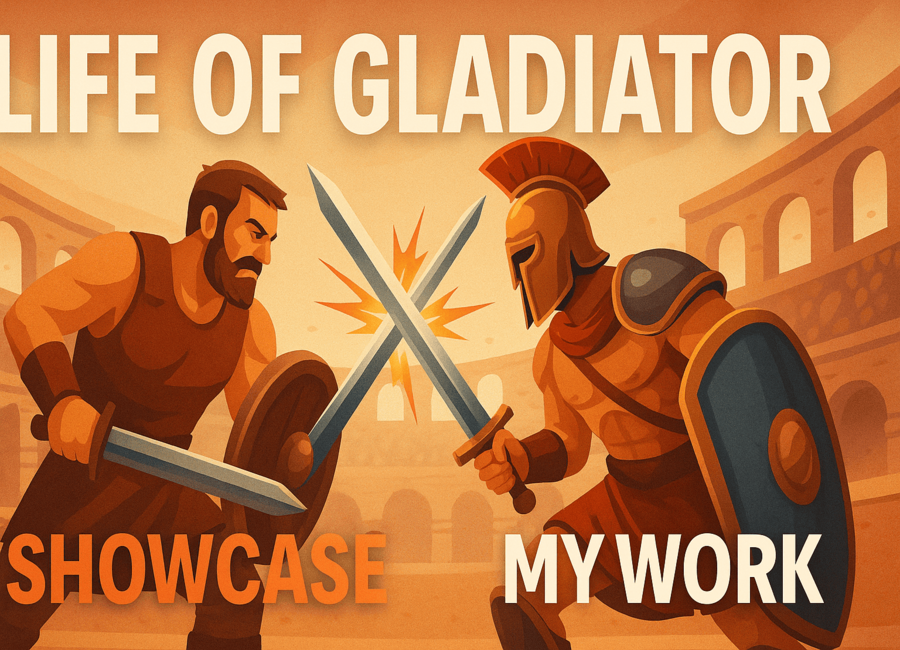
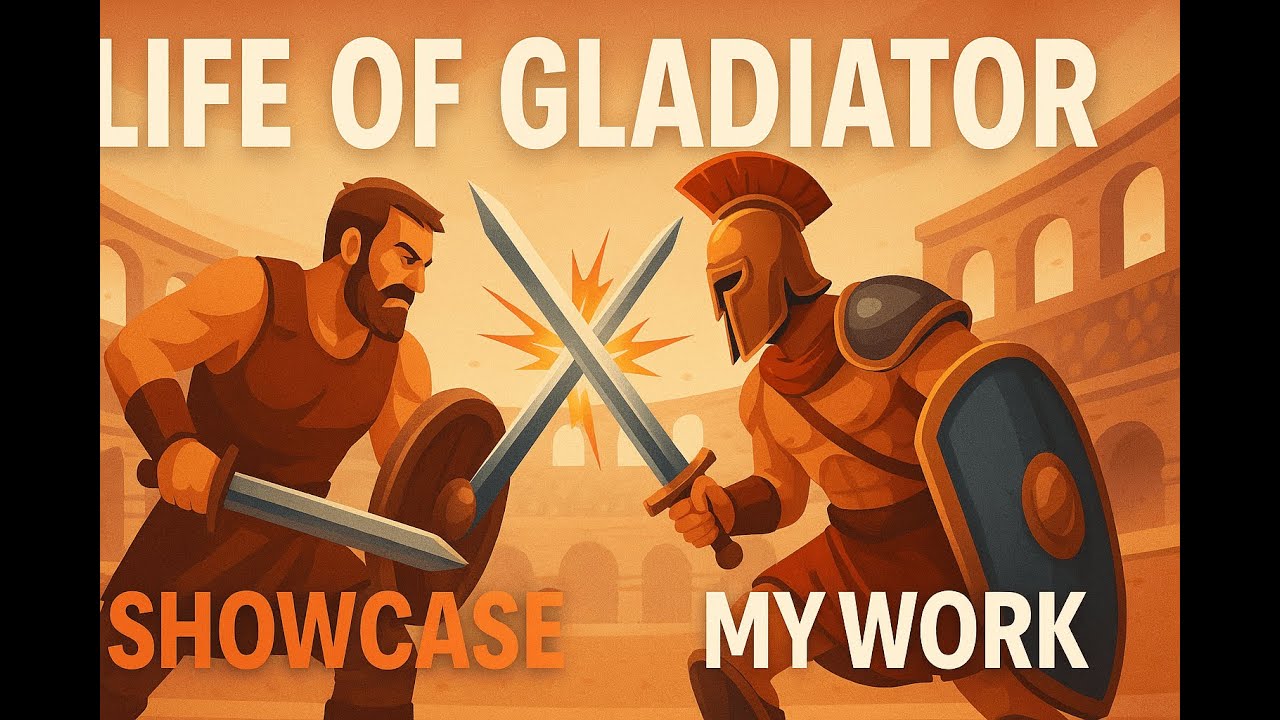
Sword Fight: Life of a Gladiator is an intense action game developed at Aptech Media, where I was responsible for expanding the gameplay systems and integrating advanced combat features. The project was part of Aptech Media’s in-house productions, giving me creative freedom to push the combat design and player experience.
My primary contributions focused on designing combo systems, executions, and cutscenes to make the swordplay dynamic and cinematic. I also integrated Unity Ads, in-app purchases, and the Magic Cloth physics package for realistic character and cloth simulation.
The AI enemies were built using a Finite State Machine (FSM) architecture, which made their behavior modular, scalable, and easy to extend — a key learning milestone for me in gameplay AI programming.
This project deepened my understanding of AI systems, combat design, and technical gameplay implementation — blending creativity with solid programming structure.

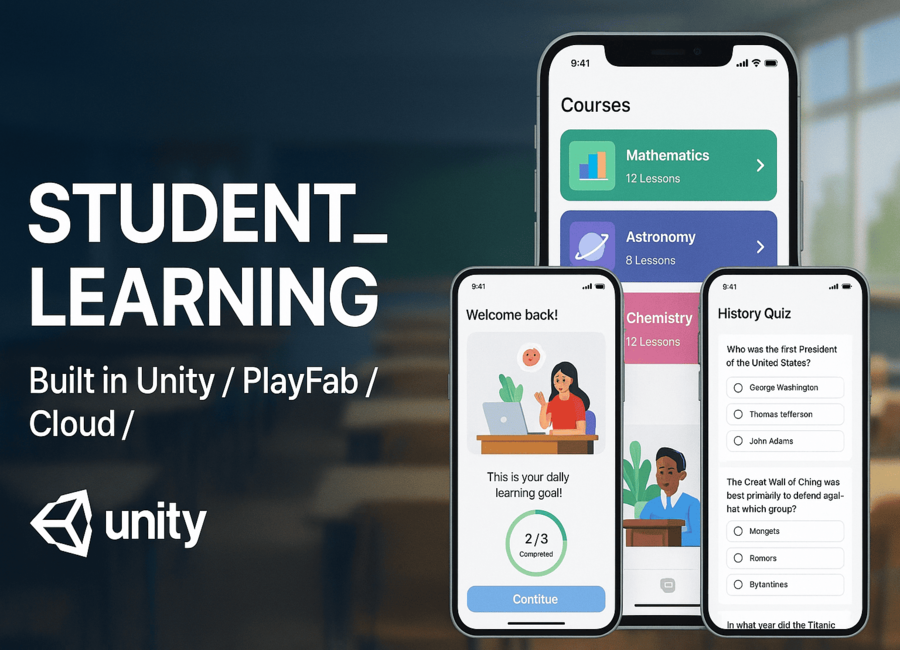
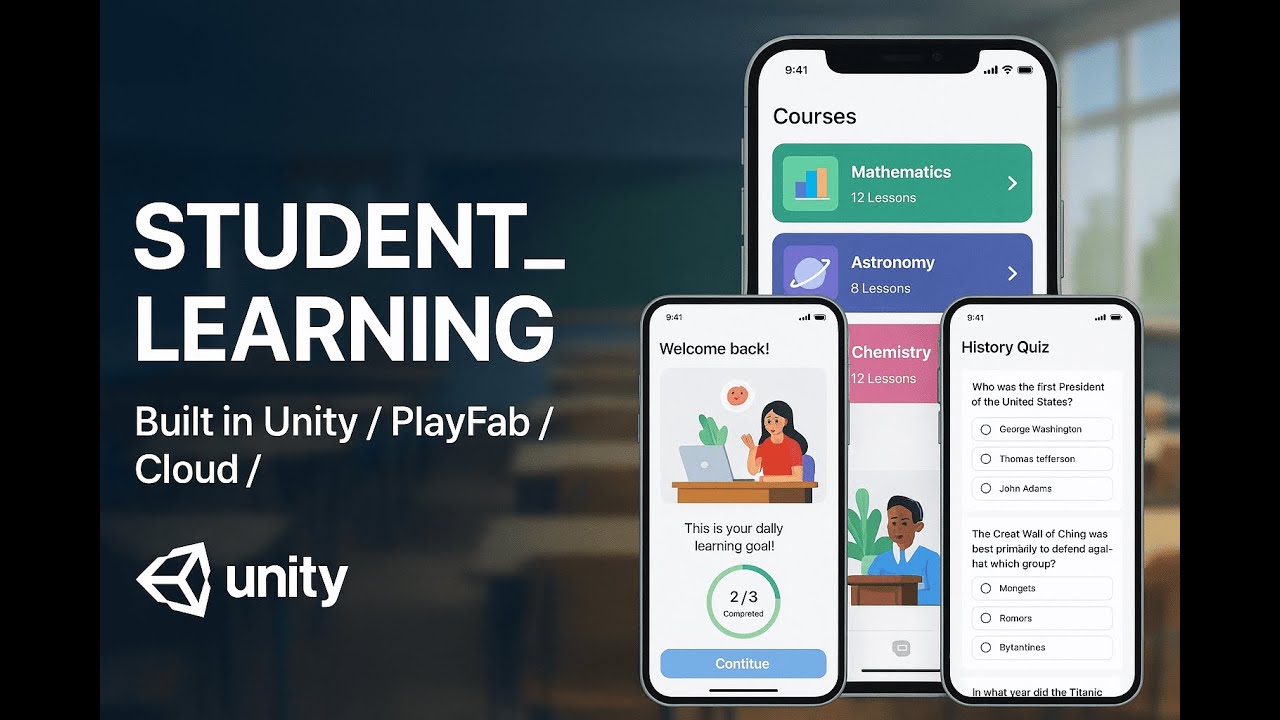
Student Learning is a comprehensive education and assignment management app developed for a U.S.-based client (Game Creation Studio). The app bridges communication between teachers and students using an intuitive PlayFab-powered backend with seamless cloud data synchronization.
The platform supports two user roles — Teacher and Student, each with their own dedicated workflow and tools:
This project showcases my experience in PlayFab integration, user authentication systems, cloud-based data storage, and interactive education platform design. The result is a full-featured learning ecosystem that simplifies remote teaching and student performance tracking.
Unity Engine • PlayFab Cloud Services • C# Scripting • Data Management • Firebase Messaging
Ball Hope is an addictive arcade tap game developed for Game Creation Studio (USA) through Fiverr. The game challenges players to bounce a ball through obstacles and land it into moving baskets to earn points — a simple yet deeply satisfying gameplay loop that gets more challenging as the player advances.
Each level is uniquely designed with increasing difficulty, requiring precise timing and focus to score high. The intuitive tap-to-jump mechanic ensures that players can quickly get into the rhythm while facing a variety of dynamic obstacles and moving hoops.
Players can also customize their character, giving a personal touch to their experience. The game features PlayFab integration, allowing for real-time leaderboards where players compete globally to reach the top score.
This project highlights my experience in arcade physics design, UI polish, and PlayFab leaderboard integration, bringing together simplicity and skill-based fun.

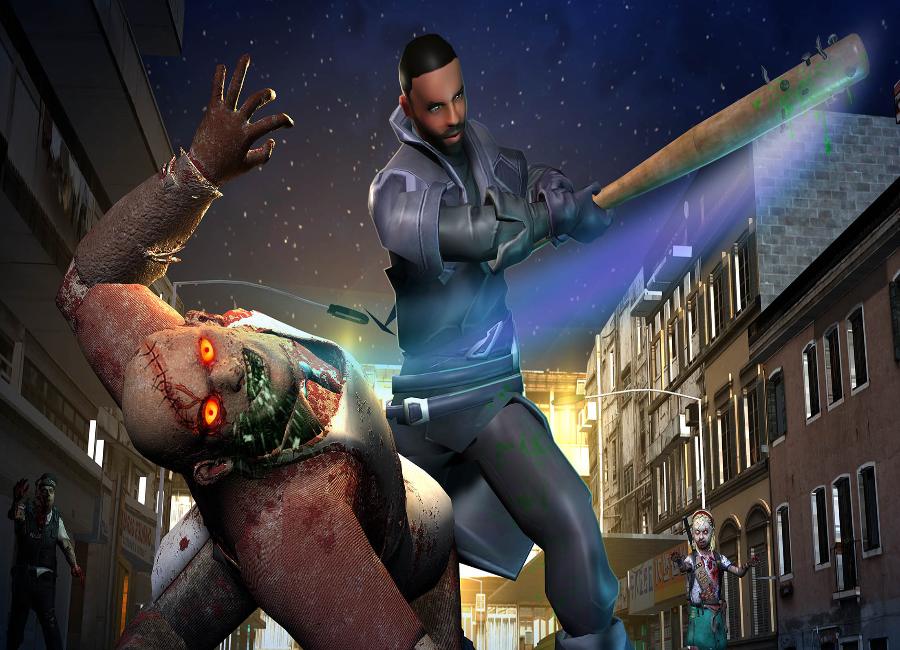
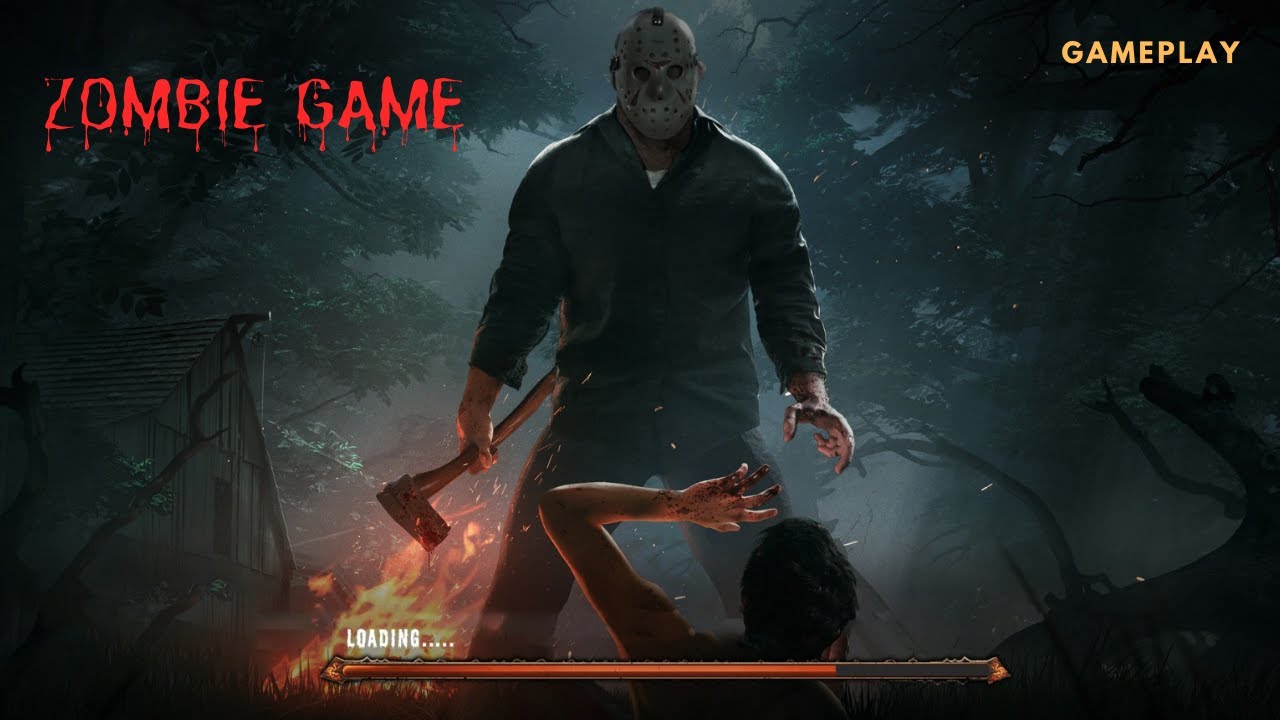
State of Survival: Zombie Game is an intense third-person action survival game built using the Invector Controller System. Players step into a post-apocalyptic world overrun by the undead — battling hordes of zombies and taking on powerful bosses in action-packed combat missions.
The game offers a deep melee and ranged combat experience with the slow motion action where players can choose from a variety of weapons and play styles:
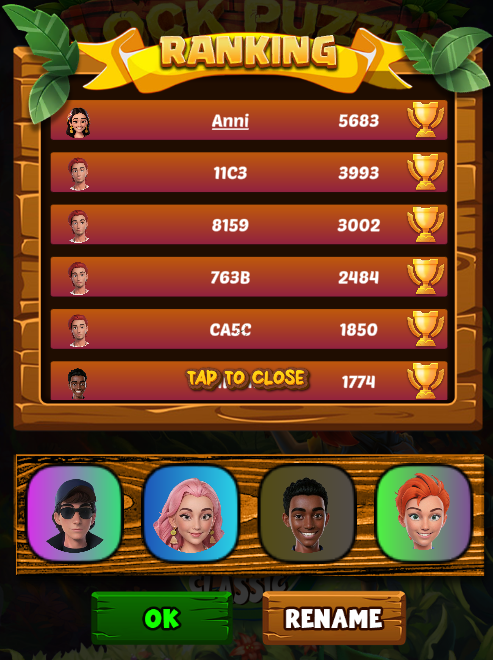
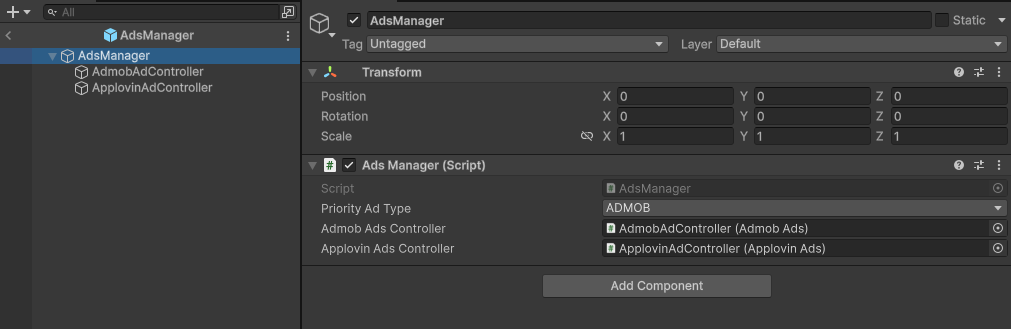
The game also includes in-app purchases and a dual ad system that uses both AppLovin and AdMob, ensuring consistent ad performance and monetization even if one network fails.
Real Car Racing: Fun Adventure is a thrilling multiplayer and single-player racing game built with the powerful RCC system. It combines exciting physics-based car handling with creative map mechanics that evolve as players progress through levels.
The game features four unique maps, each unlocking as players level up — and every map introduces a special gameplay twist:
The game also includes in-app purchases and a smart ad system integrating both AppLovin and AdMob — ensuring smooth ad serving and better revenue performance. If one ad network fails to load due to excessive requests, the other automatically takes over.

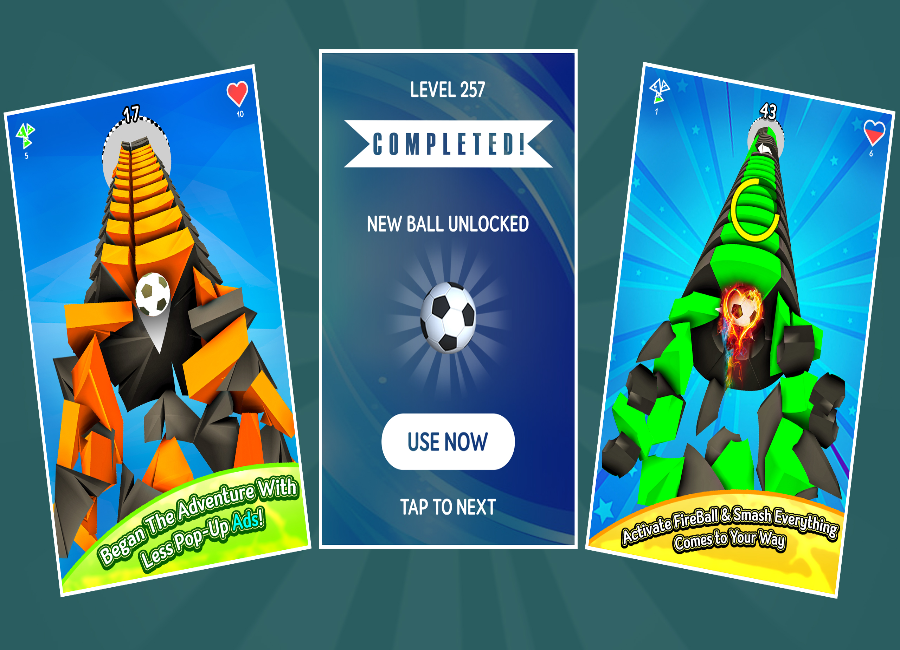
Smash Balls – Hit and Roll is a fast-paced arcade destruction game where players control a rolling ball that smashes through walls of blocks. As the levels progress, the number and strength of blocks increase — pushing the player’s reflexes and timing to the limit.
The gameplay focuses on fluid motion, satisfying destruction, and exciting progression. Players can unlock different balls and dynamic backgrounds, giving each session a fresh and personalized feel.
Along the way, players collect powerful boosters that change the flow of the game:
The game also integrates a smart ad system featuring dual SDKs (AppLovin & AdMob) to ensure seamless ad delivery and optimized revenue. Additionally, it supports in-app purchases, allowing players to enhance their experience and unlock exclusive content.

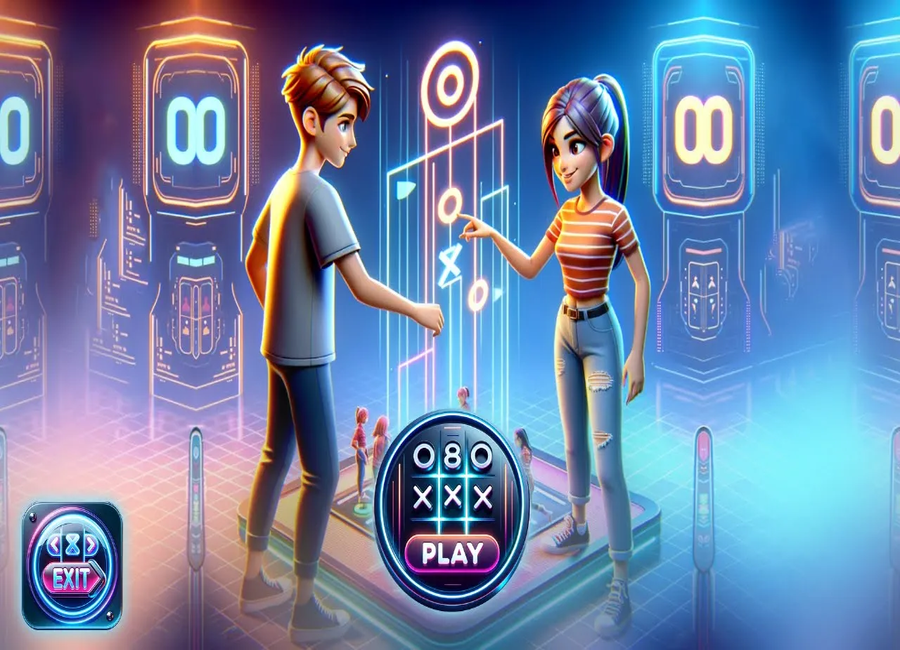
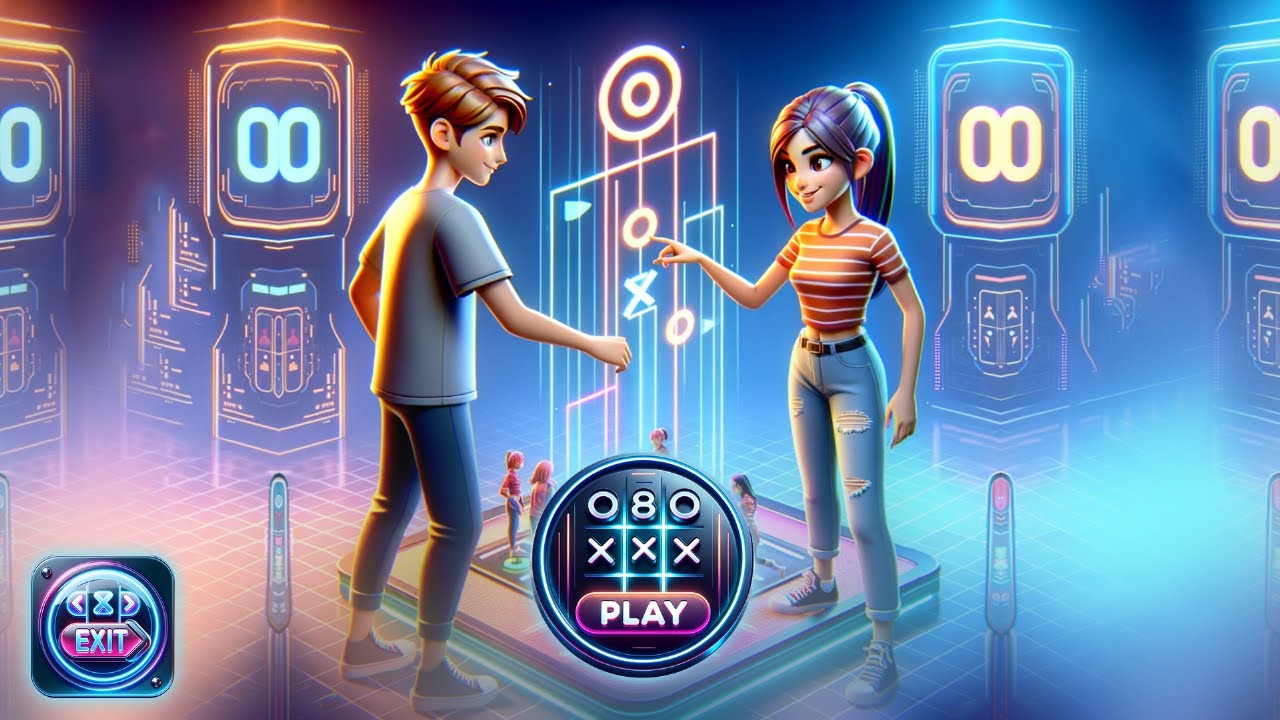
Tic Tac Toe was developed entirely from scratch at Aptech Media for a client project designed for interactive large screens used in children’s activity centers.
While the concept of Tic Tac Toe is classic, this version required a custom-built input system to solve a unique real-world problem — rapid multi-touch triggering caused by oversized interactive displays.
The challenge was that these large screens registered multiple rapid taps when users placed their hands on them. To fix this, I implemented a manual touch-priority system, ensuring that:
This solution allowed smooth, fair gameplay for two players even under noisy touch input conditions — a critical requirement for reliable large-screen interaction.
The game also features three dynamic difficulty modes:
This project demonstrates my ability to design adaptive interaction systems and handle hardware-specific challenges — combining creativity, input handling, and user experience design.
This project is a personal hobby and a long-time dream inspired by the iconic Max Payne series. Built completely from scratch, the game focuses on stylish third-person action, fluid controls, and cinematic gunplay—powered by the Unity New Input System, currently working on both mobile and PC, with easy extension for other controllers.
The prototype already includes responsive shooting, melee, and dramatic action features:
More weapons, abilities, enemy types, and cinematic effects are planned as the project continues to grow.